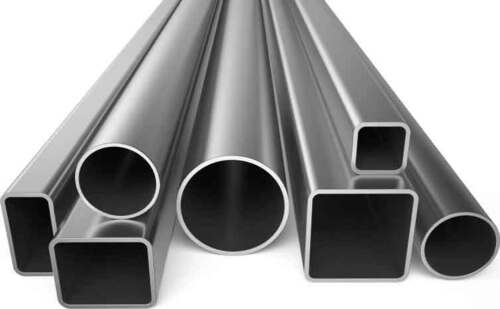
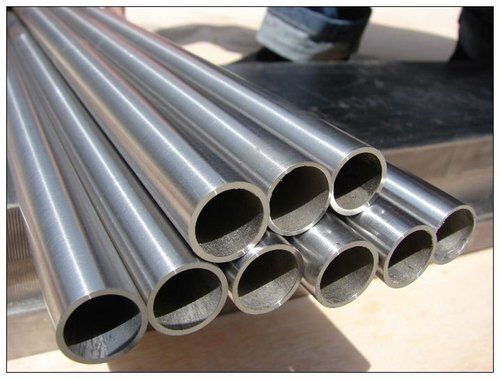
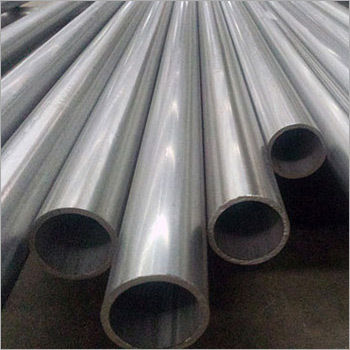
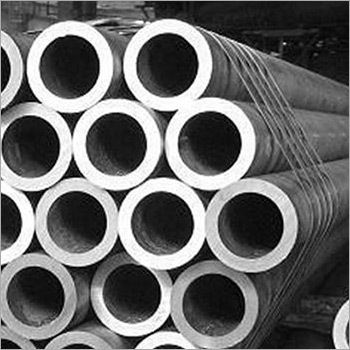
About Alloy Steel Pipe
DEEPAK STEEL INDIA is a leading Manufacturer, extensive stockholder of piping products for the Oil, Gas, Petrochemical and Nuclear Industries.
Specification
- Standards: ASTM A335 / A213
- Grades: P11, P12, P22, P5, P9, P91, T11, T12, T22, T5, T9, T91.
Superior Manufacturing and Quality AssuranceAlloy steel pipes are made using hot rolled or cold drawn processes, offering robust mechanical properties with densities of 7.85 g/cm3 and hardness between 180 HB and 245 HB. Inspection methods such as ultrasonic, hydrostatic, and eddy current testing guarantee structural integrity, while surface treatments like polishing and galvanizing improve longevity. These pipes adhere strictly to ASTM A213, A335, and A519 standards, ensuring consistent quality and reliability.
Versatile Applications Across IndustriesEngineered for high-pressure and high-temperature environments, these alloy steel pipes are used for conveying fluids, structural support, boiler tubes, and heat exchangers. Their excellent corrosion resistance and impact strength make them ideal for oil & gas, petrochemical, power plants, and boiler tube applications. Custom end finishes, seamless and welded connections, and a range of thread types (NPT, BSP, Metric) allow adaptation to specific project requirements.
FAQ's of Alloy Steel Pipe:
Q: How is the inner diameter of alloy steel pipes calculated?
A: The inner diameter is determined based on the pipe's wall thickness and outer diameter. This calculation allows precise sizing to meet specific application requirements, ensuring optimal fluid flow and structural strength.
Q: What inspection processes are performed on these alloy steel pipes?
A: Ultrasonic, hydrostatic, and eddy current inspections are routinely carried out to detect internal flaws, leaks, and ensure structural integrity. These inspections help guarantee safe operation under high pressure and temperature.
Q: Which industries commonly use alloy steel pipes and for what purposes?
A: Alloy steel pipes are widely used in oil & gas, petrochemical, power plants, and boiler tubes. They serve functions such as conveying fluids, providing structural support, and acting as heat exchanger tubes, thanks to their high impact strength and corrosion resistance.
Q: When is custom fabrication or finishing available for these pipes?
A: Customization is offered upon request, allowing clients to specify dimensions, grades, end finishes, and surface treatments per their project needs. This ensures tailored solutions for diverse industrial applications.
Q: Where are these alloy steel pipes typically applied?
A: They are utilized in environments requiring high-pressure (up to 20 MPa) and high-temperature (up to 600C) resistance, such as in power generation units, refineries, petrochemical plants, and boiler systems across India and beyond.
Q: What are the main benefits of using alloy steel pipes with high corrosion resistance?
A: Excellent corrosion resistance prolongs pipe life, reduces maintenance costs, and ensures safe fluid transportation and structural reliability, especially in harsh chemical and industrial settings.
Q: How does the manufacturing process affect the pipe's mechanical properties?
A: Hot rolled and cold drawn processes influence the pipe's tensile strength, yield strength, and hardness. Cold drawn pipes typically offer higher precision and improved surface finish, while hot rolled pipes provide robustness for heavy-duty applications.