 Call Us : 08045811776Call Us : 08045811776
 English
 Spanish
 French
 German
 Italian
 Chinese (Simplified)
 Japanese
 Korean
 Arabic
 Portuguese

 Send Inquiry
904L Stainless Steel Pipes and Tubes
MOQ : 50 Kilograms
904L Stainless Steel Pipes and Tubes Specification
- Bend Radius
- Customizable as per requirement
- Sealing Type
- Metal to Metal or Gasketed
- Thread Type
- NPT, BSPP, BSPT
- Coating Type
- No external coating; pickled and passivated surface
- Diameter
- 6 mm to 630 mm
- Tensile Strength
- 490 MPa min
- Tolerance
- 0.5% or as per requirement
- Temperature Range
- -196C to 450C
- Connection Type
- Butt Weld, Socket Weld, Flanged, Threaded
- Flexibility
- Rigid (custom bends available)
- Yield Strength
- 220 MPa min
- Product Type
- Pipes and Tubes
- Material
- 904L Stainless Steel
- Connection
- Seamless / Welded / Threaded / ERW
- Shape
- Round/Rectangular/Square/Custom
- Standard
- ASTM A312, ASTM B677, ASTM B673, ASTM B674, EN 10216-5, DIN 17456, JIS G3463
- Surface Treatment
- Polished, Annealed, Pickled
- Outer Diameter
- 6 mm to 630 mm
- Section Shape
- Round, Square, Rectangular
- Length
- Up to 6 meters or as required
- Thickness
- 0.5 mm to 30 mm
- Color
- Silver / Metallic
- Usage
- Chemical, Oil & Gas, Petrochemical, Pharmaceutical, Food Processing
- Rated Pressure
- As per design (customized on demand)
- Application
- Heat Exchangers, Condensers, Pulp & Paper Industry, Desalination Plants
- Material Grade
- SS 904L (UNS N08904)
- Elongation
- 35% min
- Corrosion Resistance
- Excellent resistance to pitting, crevice and stress corrosion, especially in chloride environments
- Inspecting Authority
- Third Party Inspection Available
- Density
- 8.0 g/cm³
- End Type
- Plain End, Bevelled End, Threaded End
- Hardness
- Max 90 HRB
- Manufacturing Process
- Seamless / Welded / ERW
- Magnetism
- Non-magnetic in annealed condition
- Customization
- Available as per customer requirements
- Packaging
- Plastic Caps on both ends, Bundled or Wooden Case
904L Stainless Steel Pipes and Tubes Trade Information
- Minimum Order Quantity
- 50 Kilograms
- Supply Ability
- 50 Kilograms Per Week
- Delivery Time
- 1-2 Week
About 904L Stainless Steel Pipes and Tubes
904L Stainless Steel Pipes and Tubes
Specification
- Standards: ASTM A312 / A213 / A269 / A358 / A778
- Grades: TP 201, 202, 301, 302, 304, 304L, 309, 310, 316, 316L, 316LN, 316Ti, 317L, 321, 347, 405, 409, 410, 420, 430, 440C, 904L, AL-6XN (N08367).
Exceptional Corrosion Resistance
904L Stainless Steel Pipes and Tubes are renowned for their exceptional resistance against pitting, crevice, and stress corrosion, particularly in chloride environments. This quality makes them an ideal choice for industries exposed to aggressive chemicals, saltwater, or other corrosive agents, such as desalination plants and heat exchangers. The rigorously controlled manufacturing process ensures durability and superior performance in challenging applications.
Wide Range of Applications and Customization
These pipes and tubes are extensively used across diverse sectors-including chemical processing, oil & gas, pharmaceuticals, pulp & paper, and food industries-due to their robust mechanical properties. Adhering to standards like ASTM, EN, DIN, and JIS, they are available in round, square, rectangular, and custom shapes. Custom lengths, diameters, and end connections ensure compatibility with specific project needs. Let us tailor your order for precise engineering requirements.
Stringent Quality Standards and Packaging
Our 904L Stainless Steel Pipes and Tubes are manufactured to globally recognized standards and subjected to third-party inspections. Each product features precise tolerances, polished or pickled surfaces, and is non-magnetic in annealed condition. For added protection and safe delivery, pipes are provided with plastic caps on both ends and packed in bundles or wooden cases, ensuring they arrive in optimal condition regardless of destination.
FAQ's of 904L Stainless Steel Pipes and Tubes:
Q: How are 904L stainless steel pipes and tubes manufactured?
A: 904L stainless steel pipes and tubes are produced using seamless, welded, or ERW techniques. The chosen process depends on application requirements for size, strength, and surface finish. All products comply with stringent standards like ASTM A312, B677, and EN 10216-5, ensuring consistent quality and performance.Q: What makes 904L stainless steel pipes suitable for corrosive environments?
A: These pipes exhibit excellent resistance to pitting, crevice, and stress corrosion, particularly in chloride-rich settings. The alloy composition of SS 904L, combined with surface treatments such as annealing and pickling, provides reliable performance in aggressive chemical and marine environments.Q: Where are 904L pipes and tubes commonly used?
A: 904L pipes and tubes are widely utilized in oil & gas, chemical processing, desalination plants, heat exchangers, food processing, pharmaceutical, and pulp & paper industries. Their versatility, strength, and corrosion resistance meet the demanding requirements of these sectors.Q: What end types and connections are offered for 904L pipes and tubes?
A: We provide plain, bevelled, or threaded ends, with connection types such as seamless, welded, flanged, threaded, and ERW. Thread types include NPT, BSPP, and BSPT, accommodating a range of installation and sealing preferences.Q: Can I request custom sizes or shapes for my application?
A: Absolutely. We accommodate custom orders for outer diameter (6 mm to 630 mm), thickness (0.5 mm to 30 mm), length (up to 6 meters or as needed), and shape (round, square, rectangular, or custom). Specific tolerances and bend radii can also be provided upon request.Q: How are 904L pipes and tubes packaged and delivered?
A: Each pipe or tube is equipped with plastic caps on both ends and packed in secure bundles or wooden cases, ensuring safe transit. We offer export-standard packaging for both domestic and international deliveries, tailored for various transportation modes.Q: What are the key benefits of choosing 904L stainless steel pipes and tubes?
A: The main advantages include high tensile (490 MPa) and yield (220 MPa) strengths, remarkable corrosion resistance, non-magnetic properties in the annealed state, broad temperature tolerance (-196C to 450C), and adaptability to various industrial applications.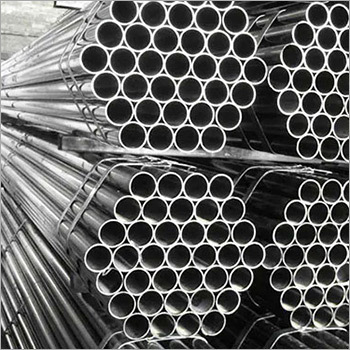
Tell us about your requirement

Price:
Quantity
Select Unit
- 50
- 100
- 200
- 250
- 500
- 1000+
Additional detail
Mobile number
Email

More Products in Pipes & Tubes Category
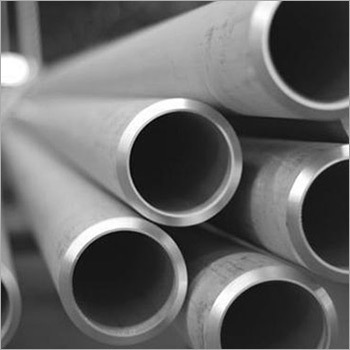
UNS S31803 Pipes
Price Range 200.00 - 800.00 INR / Kilograms
Minimum Order Quantity : 50 Kilograms
Material : Other , Duplex Stainless Steel
Section Shape : Other, Circular
Thickness : 1.5 mm to 25 mm
Length : Up to 12 meters

UNS S32760 Pipes
Price Range 200.00 - 800.00 INR / Kilograms
Minimum Order Quantity : 50 Kilograms
Material : Other , UNS S32760 (Super Duplex Stainless Steel)
Section Shape : Other, Circular
Thickness : 1.5 mm to 50 mm
Length : Single Random, Double Random, or Custom Cut Length
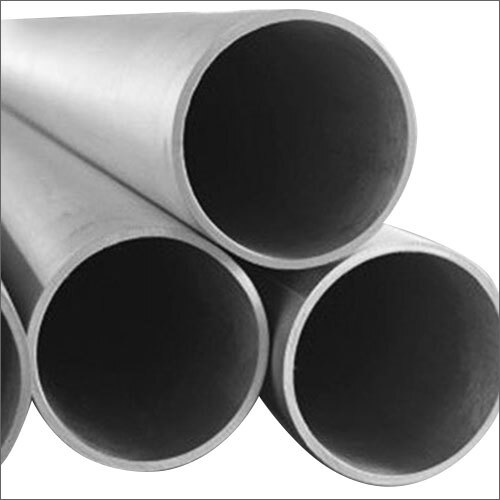
Super Duplex Pipes
Minimum Order Quantity : 1000 Kilograms
Material : Other , Super Duplex Stainless Steel
Section Shape : Other, Circular
Thickness : 1.5 mm to 25 mm
Length : Up to 12 meters (custom lengths available)
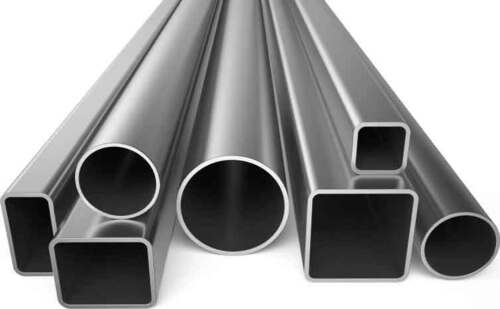
Alloy Steel Pipe
Minimum Order Quantity : 1 Unit
Material : Stainless Steel
Section Shape : Other, Circular
Thickness : 2 mm 20 mm
Length : 1 m 12 m

Address
GST : 27AAGPK9639P1ZT
- Plot No. 367, S.V.P. Road, Shop No. 7, Minerva Mansion Co-op Hsg Society Ltd, Mumbai - 400004, Maharashtra, India
- Phone :08045811776
- Send Inquiry
 Send Inquiry
 Send Inquiry
 Send SMS
 |
DEEPAK STEEL (INDIA)
All Rights Reserved.(Terms of Use) Developed and Managed by Infocom Network Private Limited. |
